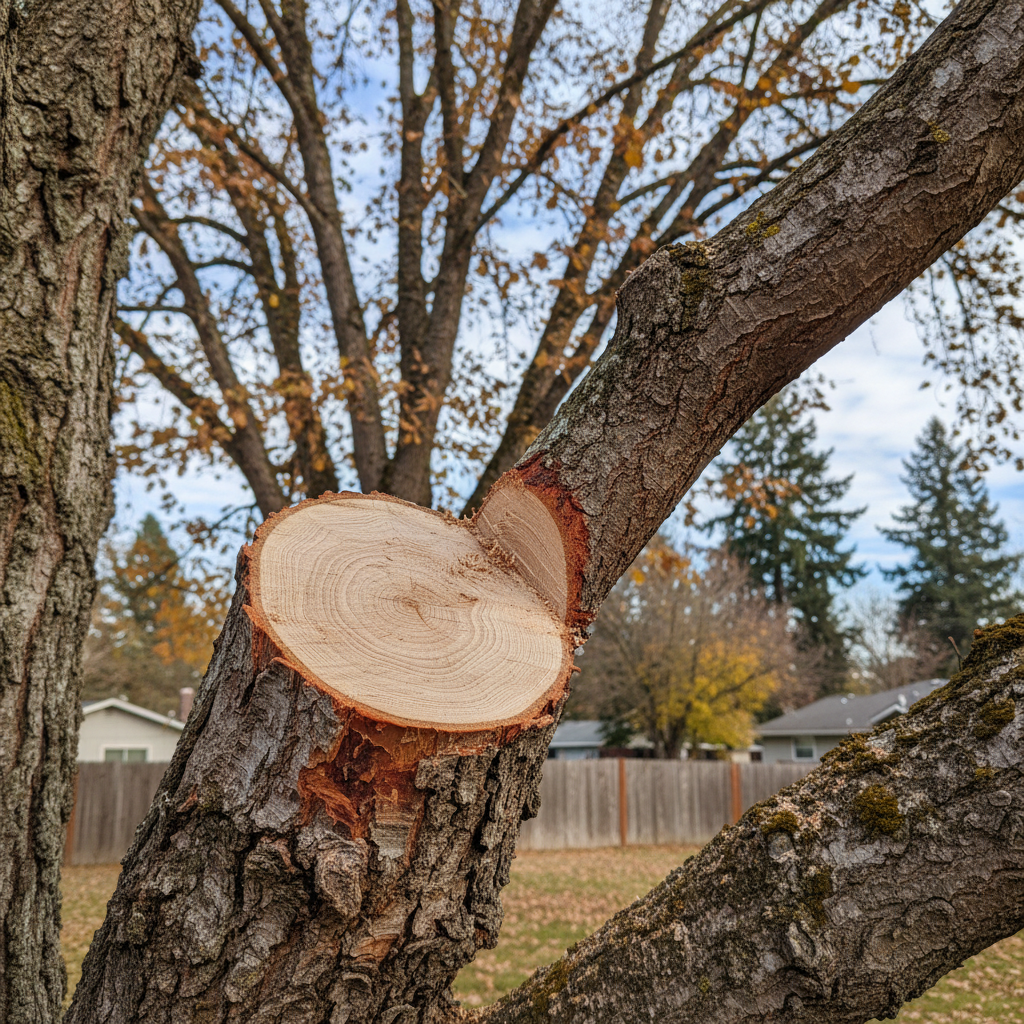
So, you're standing there, looking at your trees, and maybe you're thinking, "Hey, I bet I could prune that myself." It's a pretty common thought, especially when you spot a few dead branches or some growth that just looks a little off. And you know what? For certain things, you absolutely can tackle it. But for others? You really, really shouldn't. As a local guy running Pasco Tree Service, I've seen my fair share of DIY pruning jobs over the years—some turned out great, some… well, let's just say they ended up costing folks more than if they'd just called a pro in the first place.
Before You Even Think About Pruning
First off, let's talk about staying safe. This isn't just about making sure you don't fall out of a tree, though that's obviously a big one. It's also about knowing what you're even working with. Are there power lines nearby? If so, stop right there. Seriously, don't even consider it. Call your power company or a professional tree service. Electricity and trees just don't mix, and it's definitely not worth risking your life.
Next, get to know your tree. What kind is it? Some trees handle pruning better at specific times of the year. For example, many deciduous trees are best pruned in late winter or early spring when they're dormant. Pruning at the wrong time can really stress the tree, making it more likely to get sick, or even cutting down on its flowers or fruit for the whole season. We've got a lot of Lombardy Poplars around Pasco, especially in some of the older neighborhoods, and those things shoot up fast. Knowing how they grow helps you prune smarter, doesn't it?
Finally, grab the right tools. Don't try to hack at a thick branch with some rusty old garden shears. You'll just hurt the tree and probably annoy yourself. For smaller jobs, hand pruners, loppers, and a good hand saw are your best buddies. Just make sure they're sharp and clean. Dull tools tear bark, and that's like an open invitation for pests and diseases to move right in.
What You Can (Realistically) Do Yourself
Alright, so you've checked things out, you're safe, and you've got the right gear. What's actually okay for a DIY job?
- Dead or Diseased Branches: This is probably the most common—and safest—thing you can do yourself. Look for branches that are brittle, discolored, or have no leaves when they should. Cut them back to healthy wood or right to the branch collar (that slightly swollen spot where the branch meets the trunk or a bigger branch). Just make sure your cuts are clean; don't leave any stubs.
- Small Crossing Branches: Sometimes, two branches will rub against each other. This creates wounds, which can be entry points for disease. If they're small enough for your hand pruners or loppers, you can carefully snip off the weaker or less desirable of the two.
- Suckers and Water Sprouts: Suckers are shoots that pop up from the base of the tree or its roots. Water sprouts are those fast-growing, straight-up shoots that appear on branches or the trunk. Both are usually weak and can suck energy from the main tree. You can just snip these off close to where they started.
- Light Shaping/Thinning: If you're just taking off a few small branches to help air move through or to lightly shape a young tree, and you can reach them safely from the ground or a steady ladder, go for it. Think of it more like a slight trim, not a complete makeover.
Remember the